
Injury Recovery & Return-to-Play Mental Performance Coaching
Rebuild Confidence Overcome Setbacks Return Stronger
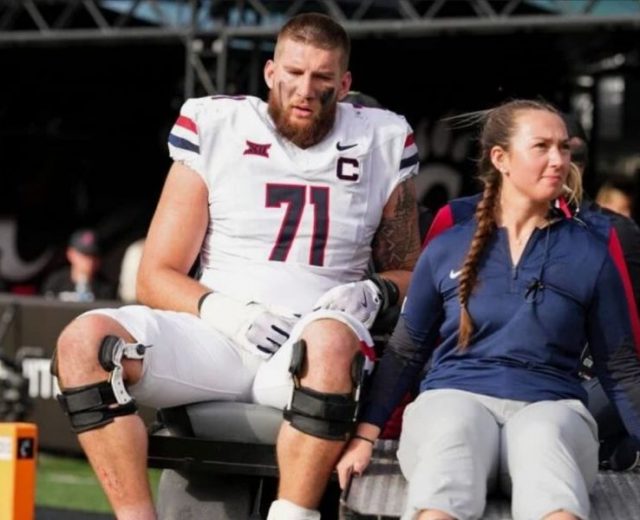
An injury challenges more than your body. It can shake your confidence, disrupt your focus, and cloud how you see your return. Physical rehabilitation is only half of recovery — your mindset decides how you handle setbacks, manage the fear of getting hurt again, and step back into competition believing in yourself.
MindBalanceSPORT’s injury-recovery mental performance coaching helps athletes heal mentally while they heal physically, so the comeback is as strong as the setback was hard. It works alongside your medical team and athletic trainers — never in place of them.
What Injury Recovery Coaching Is
Can sport psychology help an athlete recover from injury?
Yes. Injury-recovery mental performance coaching is structured mental-skills training that helps an injured athlete stay motivated through rehab, manage the fear of reinjury, protect their confidence and identity, and prepare mentally to return to competition.
At MindBalanceSPORT it’s delivered by mental performance coaches and overseen by our two licensed-psychologist co-founders, Dr. Brenna Chirby, Psy.D. and Dr. Virginia Jones, Psy.D.
It complements medical care and physical therapy; it does not replace them, and it is not a substitute for treatment of a diagnosed condition.
The Mental Side of Injury
Many athletes finish rehab physically cleared but mentally unsure of themselves. If you don’t train your mind the way you train your body, self-doubt, hesitation, and fear of reinjury can quietly hold you back long after the injury has healed. Athletes often move through a real emotional arc after getting hurt — shock and denial, frustration and anger, a dip in mood and motivation, and finally acceptance and re-engagement. Knowing that arc is normal is the first step; building skills to move through it is the work.
That’s why the athletes who come back best treat the mental comeback as seriously as the physical one.
Left untrained, the mental side of injury tends to show up as:
- Fear of reinjury and hesitation that changes how an athlete moves
- Loss of confidence and a shaky sense of "am I still that athlete?"
- Frustration, impatience, and feeling behind
- Loss of identity and connection when sidelined from the team
- Drops in motivation during the long middle of rehab
- Return-to-play anxiety as competition gets closer
Common Challenges We Help With
Managing fear & anxiety
Confidence & mental toughness
Coping with discomfort & frustration
Staying engaged with your sport
Visualization & mental rehearsal
Patience, resilience & identity
How the MBS Approach applies to recovery
Injury-recovery coaching runs on The MBS Approach, our five-stage framework, adapted to where an athlete is in their rehab:
Coach Match & Consultation
You're matched to a coach who understands injury, rehab, and the return-to-play process, and who fits your sport and age.
MBS Mindset Assessment
Skills Training
Integration into Sport
Optimization & Refinement
For Parents of Injured Youth Athletes
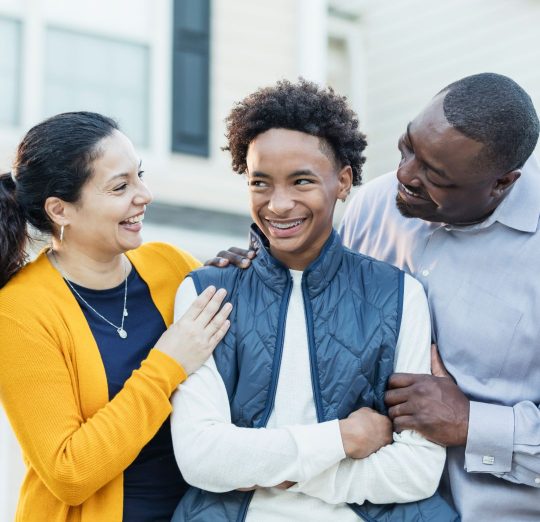
When your child gets hurt, the physical healing is only part of the journey. The frustration, the fear of getting hurt again, the loss of confidence — that part is often harder, and it’s not always clear how to help. MindBalanceSPORT gives young athletes the mental tools and emotional support to recover with confidence, and gives you a clear way to support them.
How you can help your athlete at home:
- Encourage patience and a growth mindset — recovery isn’t linear.
- Use positive reinforcement; avoid pressuring them to “tough it out.”
- Keep them connected to their team and sport, even while they can’t play.
- Introduce them to mental-skills techniques that support recovery.
We specialize in youth and adolescent athletes and work in person across the Washington, DC metro (our McLean, VA office serves Northern Virginia, DC, and suburban Maryland), in Plano, TX, and virtually nationwide — so you can find support whether your teen is around the corner or across the country. If anything your child is experiencing points beyond performance to a clinical concern, our licensed mental health professionals can step in, or we’ll refer you to the right provider.
Individual sessions vs. the recovery group
Whether you prefer one-on-one guidance or a structured group environment, we provide support tailored to your recovery journey.
Not sure which fits? A quick consultation will point you to the right one.
Individual Injury Recovery Sessions
One-on-one mental performance coaching built around your specific challenges, fears, and goals during rehab. Rebuild confidence, manage setbacks, and return with a stronger mindset — at your pace, on your timeline.
Injured Athlete Recovery Group
A supportive, coach-led group for athletes who recover better alongside others working through the same thing. Together, members:
- Manage emotions and setbacks
- Rebuild confidence and resilience
- Stay connected to sport and teammates
- Prepare mentally for return to play
The Science Behind It
Decades of sport-psychology research tie specific mental skills to how athletes cope with injury and return to competition. Our recovery work draws on established models:

Evidence: arousal-regulation techniques

Evidence: self-efficacy architecture

Evidence: resilience frameworks

Evidence: Holmes & Collins (2001)

Evidence: cognitive-behavioral principles

Evidence: Nideffer’s attentional model
Who We Work With & Where
We support athletes across ages and levels — with particular depth in youth and adolescent development:
- Youth & high school athletes returning from injury
- Collegiate and elite/professional athletes protecting a career
- Teams and programs managing multiple injured athletes
- Parents who want to support a recovering child the right way
In person: 1355 Beverly Road, Suite 225, McLean, VA 22101 · 555 Republic Dr., Suite 212, Plano, TX 75074
Virtual: secure, private video sessions available nationwide
Frequently Asked Questions
Can MindBalanceSPORT help injured athletes and return-to-play?
Yes. We provide mental performance support during rehabilitation — helping athletes maintain identity, manage frustration, and prepare mentally for return to competition. At MindBalanceSPORT this support complements, and does not replace, medical care and athletic training, and we don’t guarantee recovery timelines.
How do you help an athlete rebuild confidence after an injury?
We help athletes rebuild return-to-play confidence by working through the fear and hesitation that often follow injury — using imagery, graded confidence-building, self-talk, and composure tools alongside your medical and athletic-training team. Our goal at MindBalanceSPORT is an athlete who returns mentally ready, not just physically cleared.
Can you help with identity loss after a season-ending injury?
Yes. A season-ending injury can shake an athlete’s sense of who they are, and we support athletes through that — helping them hold onto identity and motivation, manage the emotional side of a long recovery, and rebuild confidence for return. When needs point to clinical care, MindBalanceSPORT provides it through our licensed mental health professionals or by referral.
Do you work with athletes recovering from specific injuries, like an ACL tear?
Yes — we support the mental side of recovery for athletes coming back from significant injuries such as ACL reconstruction, focusing on confidence, fear of re-injury, and mental readiness to compete again. MindBalanceSPORT works alongside your medical and physical-therapy team and doesn’t provide medical treatment or set recovery timelines.
Is injury-recovery support medical care, and does it replace physical therapy?
No. Our injury-recovery support is mental performance coaching, not medical care, and it complements — never replaces — physical therapy, medical treatment, and athletic training. At MindBalanceSPORT we address the psychological barriers to return, while your medical team manages the physical recovery.
Do you offer virtual injury-recovery support?
Yes. We offer secure, HIPAA-compliant virtual sessions for injury-recovery and return-to-play support, which is convenient for athletes whose schedules are already full with rehab and appointments. In-person sessions at MindBalanceSPORT are also available in McLean, VA and Plano, TX.
Can you support a team with multiple injured athletes?
Yes. We can support programs with several athletes in recovery through group and team-based return-to-play work — building shared resilience, maintaining motivation, and helping injured athletes stay connected to the team while they come back. MindBalanceSPORT scopes these engagements to your program.
Can you help with return-to-play anxiety after an injury?
Return-to-play anxiety is the fear, hesitation, and self-doubt an athlete feels as they get closer to competing again after an injury, even once they’re medically cleared, and it responds well to mental-skills training. At MindBalanceSPORT we help athletes close the gap between being physically cleared and feeling mentally ready: rebuilding trust in the healed body, replacing “what if it happens again” with a plan, using imagery to rehearse competition, and re-entering through confidence-building steps rather than one nerve-racking leap. We work alongside your physicians and athletic trainers, and we don’t set or promise recovery timelines — those are individual and medically governed.